
The best way to recognize early-stage gum disease is by bleeding gums, which often occur during brushing or flossing. Many people ignore the early signs because they seem mild or temporary. However, if left untreated, early gum disease can progress to periodontal disease, a serious infection that damages the soft tissues and bones that support your teeth.
Recognizing the early signs of gum disease gives you the best chance to stop it before it leads to tooth loss. With early detection and proper treatment, you can protect your gums and maintain optimal oral health.
If you notice the first signs of gum disease, you should take immediate action by visiting Lilac Medical Centre.
What Is Early-Stage Gum Disease?
Early-stage gum disease is a dental condition that begins when dental plaque accumulates along the gum line. Plaque contains harmful bacteria that feed on food particles and release toxins. These toxins irritate the gums, causing inflammation and infection of the gum tissue. The disease is commonly caused by poor oral hygiene, but also by hormones, stress, smoking, and other factors.
In this mild form of gum disease, the damage remains reversible. Dentists often refer to this phase as gingivitis, the first of the stages of gum disease. If plaque hardens into tartar and spreads beneath the gumline, the condition can progress to moderate periodontitis and later to advanced periodontal disease.
Common Signs of Early Gum Disease
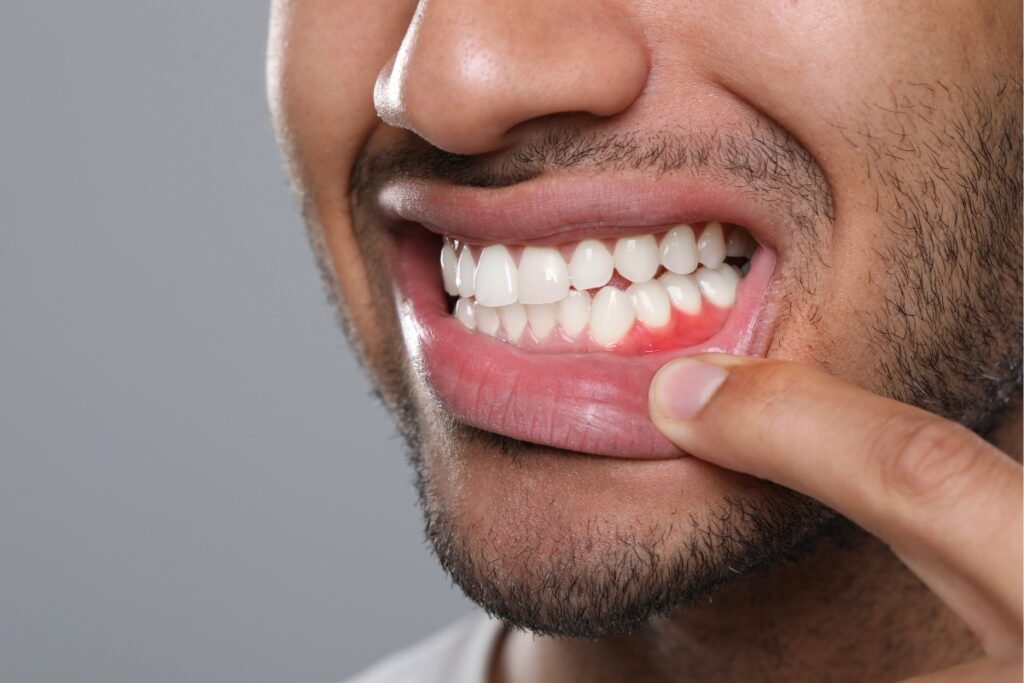
Common early symptoms of gum disease include bleeding gums, color changes, swelling, persistent bad breath, tenderness, and gum recession. The best way to prevent its advancement is to identify these early signs and contact your dentist as soon as possible.
Healthy gums are firm and pink; inflamed gums are reddish or purplish and feel sore. Furthermore, healthy gums do not bleed (the best indication of inflammation). You should also pay attention to gum recession, which may make teeth look longer, indicating more advanced disease.
Gum Disease and Bleeding Gums
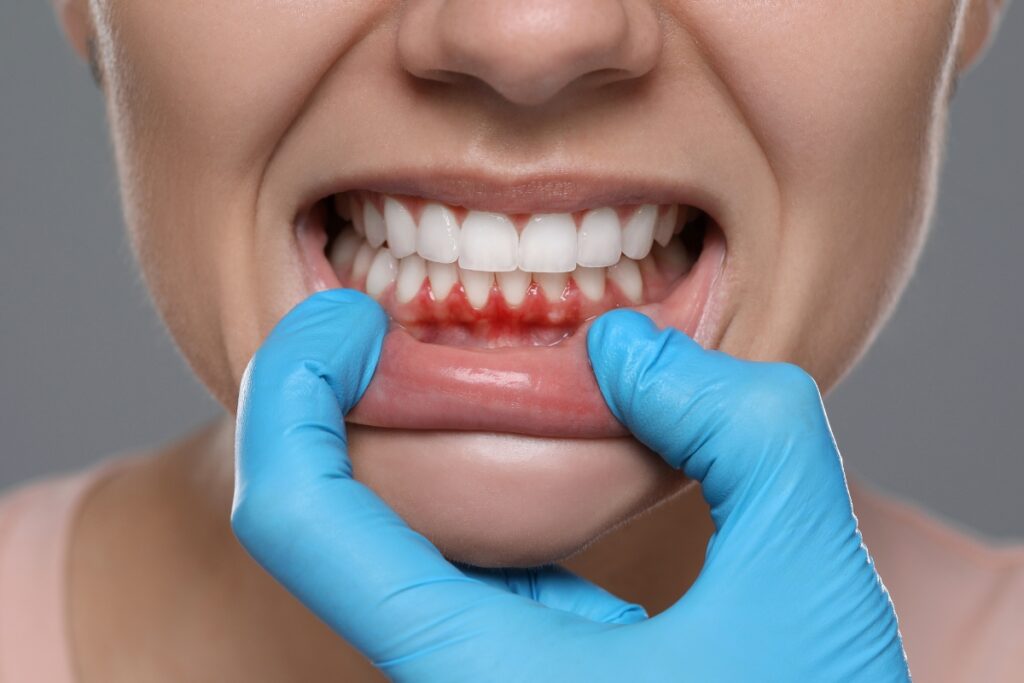
Bleeding gums are one of the most common and earliest signs of gum disease. When plaque builds up along the gumline, harmful bacteria irritate the gum tissue, triggering inflammation. This makes the gums more fragile and more likely to bleed during brushing or flossing.
If you regularly notice blood in the sink, it usually indicates an underlying gum infection. Bleeding that persists despite good oral hygiene should prompt an evaluation by a dentist to prevent progression into more advanced stages of gum disease.
Gum Disease and Bad Breath
Bad breath is often one of the earliest symptoms of gum disease. Bacteria trapped along the gumline and inside periodontal pockets release sulfur compounds that cause persistent odor. Brushing may temporarily mask the smell, but it returns if the bacteria remain.
This odor develops because the bacteria thrive in diseased gum tissue. As the infection progresses, it can also cause a persistent bad taste. If bad breath does not improve with brushing, flossing, and mouthwash, a dental hygienist or dentist should evaluate your gums.
Contact Lilac if you wish to prevent gum disease and improve your overall dental hygiene.
How Gum Disease Develops?
Gum disease develops gradually through predictable stages:
- Plaque buildup along the gumline
- Bacterial toxins irritate the gums
- Gums become red, tender, and swollen
- Gums bleed easily
- Tartar forms below the gumline
- Pockets develop between teeth and gums
- Infection spreads into deeper tissues
- Bone and connective tissue break down
Once bone damage begins, reversing it becomes far more difficult. Professional treatment is only effective if followed by strict at-home maintenance, including brushing and flossing.
Can Smoking Cause Gum Disease?
Smoking and chewing tobacco dramatically increase your gum disease risk. Tobacco restricts blood flow to the gums, which reduces oxygen and nutrient delivery. This weakens your immune response and slows healing.
Smoking also hides symptoms. Many smokers do not notice bleeding or swelling even when the infection worsens. This delay often leads to advanced gum disease before diagnosis. Tobacco use also raises your risk for:
- Advanced periodontitis
- Severe bone loss
- Loose teeth
- Implant failure
- Poor response to treatment
A healthy diet and avoidance of smoking benefit oral health. Dentists also recommend using antibacterial mouthwash to help control bacteria in the mouth.
Can Stress Cause Gum Disease?
Chronic stress can increase your risk of gum disease. Stress weakens your immune system, making it harder for your body to fight off harmful bacteria along the gumline. When your immune response drops, plaque bacteria multiply more easily, leading to inflammation, swollen gums, and infection.
Stress also affects behavior. Many people under stress neglect proper oral hygiene, skip dental visits, clench or grind their teeth, and smoke more. These habits accelerate plaque buildup and increase the risk that early-stage gum disease will progress to more advanced forms.
Long-term stress has also been linked to slower healing, higher inflammation levels, and poorer response to periodontal treatment. Managing stress, maintaining proper oral hygiene, and keeping regular dental checkups play a key role in protecting your gum health.
Can You Treat Gum Disease?
You can treat gum disease, and in its early stages, you can often reverse gingivitis completely. Early treatment focuses on removing plaque, controlling harmful bacteria, and restoring healthy gum tissue before permanent damage occurs.
Proper oral hygiene includes brushing two to three times a day, flossing daily, and visiting your dentist for regular exams and cleanings. Antimicrobial mouthwashes are considered the gold standard for reducing plaque and inflammation in gingivitis. Furthermore, a diet rich in nutrients, vitamins, and antioxidants helps your gums heal and resist infection.
If gum disease progresses beyond the early stage, treatment becomes more intensive. Dentists may recommend scaling and root planing, which is a deep cleaning below the gumline that removes bacteria from periodontal pockets.
Improve Your Oral Health with Lilac
We focus on early detection, personalized care, and long-term gum health. Our experienced dental team uses advanced diagnostic tools to identify early signs of gum disease before they progress.
From professional cleanings to customized treatment plans, we help you maintain healthy gums, prevent infection, and protect your smile for life. Whether you need preventive care or advanced periodontal treatment, we provide clear guidance, expert support, and results you can trust.
Book your dental consultation today and take control of your oral health with Lilac.
FAQs
What is the earliest sign of gum disease?
Early gum disease (gingivitis) shows signs of red, swollen, tender gums that bleed easily, persistent bad breath, and a bad taste in the mouth.
Can early-stage gum disease be reversed?
Yes. With professional cleanings and improved oral hygiene, you can reverse gingivitis. In some cases, antibiotics may be prescribed as rinses or gels to control bacterial infection in gum disease.
How long does it take for gum disease to progress?
Progression varies. Some people develop advanced periodontal disease within months if they do not treat the early infection.
Does gum disease cause tooth decay?
Gum disease does not directly cause cavities, but it increases the risk of tooth decay by allowing bacteria to spread.
Can gum disease cause loose teeth?
Yes. As bone and connective tissue break down, teeth lose support and become loose.
Do I need surgery for gum disease?
Not always. Early-stage cases respond well to deep cleaning and plaque control. Surgery becomes necessary in advanced stages. Pocket reduction surgery aims to remove plaque and tartar from deep gum pockets.
How often should I get my gums checked?
Most people need exams every six months. High-risk patients may need more frequent visits.

