
Peer reviewed by Dr. Abdul Rahman Qalandari, Specialist Prosthodontist
If your teeth feel sensitive after a whitening treatment, you are experiencing one of the most common and well understood side effects in cosmetic dentistry. For most patients in Abu Dhabi, this sensitivity is mild, temporary, and settles on its own within a day or two.
This guide explains why whitening can cause sensitivity, how long it typically lasts, and the practical steps you can take to stay comfortable. It also clarifies when sensitivity is simply part of the normal process and when it is worth speaking to your dentist.
Is Sensitivity After Teeth Whitening Normal?
Yes. A degree of sensitivity after whitening is normal and expected. It is one of the most frequently reported effects of both in-office and take-home whitening, and it does not mean the treatment has harmed your teeth.
Sensitivity usually feels like a short, sharp twinge in response to cold air, cold drinks, or sometimes hot foods. Some patients also notice brief, spontaneous “zingers” that come and go without an obvious trigger. In the large majority of cases this is transient and fades as the enamel rehydrates.
Why Does Whitening Cause Sensitivity?
Professional whitening relies on hydrogen peroxide or carbamide peroxide. These agents break down stain molecules within the tooth through an oxidation reaction, lightening the shade from within.
During this process, two things happen that can lead to sensitivity:
- Temporary enamel changes. Whitening gels briefly increase the permeability of the enamel, opening up the microscopic channels that lead toward the inner tooth. This allows temperature changes to reach the nerve more easily.
- Mild nerve irritation. The peroxide can cause a short-lived, reversible inflammation of the pulp, the nerve-rich tissue at the centre of the tooth. This is what produces the sharp, fleeting sensation.
Both effects are temporary. As the tooth naturally remineralises and rehydrates after treatment, the channels close again and sensitivity resolves. Whitening does not strip or permanently weaken healthy enamel when carried out under professional supervision.
How Long Does Sensitivity Last After Whitening?
For most patients, sensitivity is at its peak in the first 24 to 48 hours and then settles. As a general guide:
- In-office whitening: sensitivity is usually most noticeable on the day of treatment and the following day, easing within 1 to 3 days.
- Take-home trays: sensitivity tends to be milder but may come and go across the treatment period, typically settling within a day of finishing.
Sensitivity that persists beyond a few days, or that is severe rather than fleeting, is less typical. If discomfort continues past three to four days or interferes with eating and sleeping, it is worth contacting your dentist for advice.
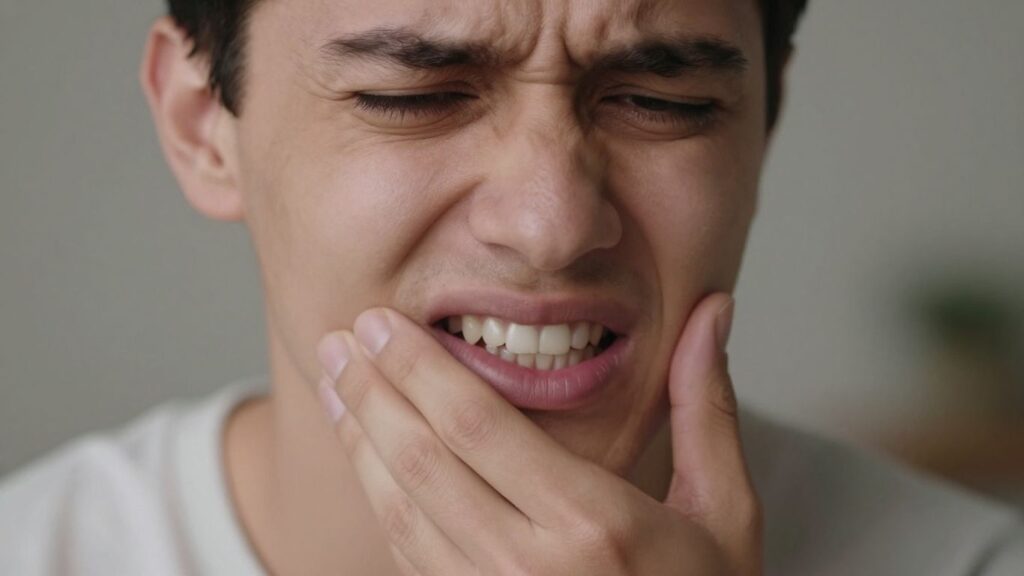
How to Manage Teeth Sensitivity After Whitening
The good news is that post-whitening sensitivity is straightforward to manage at home. The following steps can help you stay comfortable while it settles.
Use a sensitivity toothpaste
A toothpaste formulated for sensitive teeth, containing potassium nitrate or fluoride, can calm the nerve response and strengthen the enamel surface. Starting it a few days before whitening and continuing afterwards is often the most effective approach.
Avoid temperature extremes for a day or two
Very hot and very cold foods and drinks are the most common triggers. For the first 24 to 48 hours, lukewarm options are kinder to freshly whitened teeth. Drinking cold water through a straw can also reduce contact with sensitive surfaces.
Give whitening a short pause
If you are using take-home trays and notice sensitivity building, it is reasonable to skip a day or shorten your wear time. Sensitivity is not a reason to abandon whitening altogether, but spacing out sessions gives your teeth time to recover.
Brush gently with a soft brush
A soft-bristled toothbrush and a light touch help avoid adding mechanical irritation to teeth that are already reactive. Wait around 30 minutes after eating acidic foods before brushing.
Consider fluoride support
Your dentist may recommend a fluoride gel, rinse, or in-clinic application. Fluoride helps the enamel remineralise and can noticeably reduce sensitivity in the days after treatment.
Stay hydrated and limit acidic drinks
Acidic drinks such as citrus juices, fizzy drinks and wine can heighten sensitivity in the short term. Reducing these for a couple of days supports a more comfortable recovery.
How to Reduce the Risk Before You Whiten
Sensitivity is easier to prevent than to treat. Much of it comes down to careful planning, which is why professional, supervised whitening tends to be more comfortable than unguided over-the-counter use.
- A thorough assessment beforehand identifies exposed roots, untreated decay, cracks or gum recession that could make whitening uncomfortable.
- Treating any active dental problems first means the whitening agent is not reaching areas it should not.
- Tailoring the concentration of the gel and the length of each session to your teeth reduces unnecessary irritation.
- Desensitising agents applied before or after treatment can lower the likelihood of discomfort.
At Lilac Medical Centre, whitening always begins with this kind of assessment so that your treatment plan suits your teeth and your sensitivity is kept to a minimum. If you are weighing up your options, our guide to the difference between teeth whitening and bleaching explains how the available approaches compare.
When to Speak to Your Dentist
Most sensitivity needs nothing more than patience and the steps above. However, you should contact your dentist if you notice any of the following:
- Sensitivity that lasts longer than three to four days
- Sharp pain that is severe rather than a brief twinge
- Persistent, lingering pain in one specific tooth
- Sensitivity accompanied by swelling, throbbing, or pain when biting
These signs can point to an underlying issue, such as a crack, a worn area, or existing decay, that is separate from the whitening itself and may need attention. Your dentist can examine the tooth and advise on the right next step.
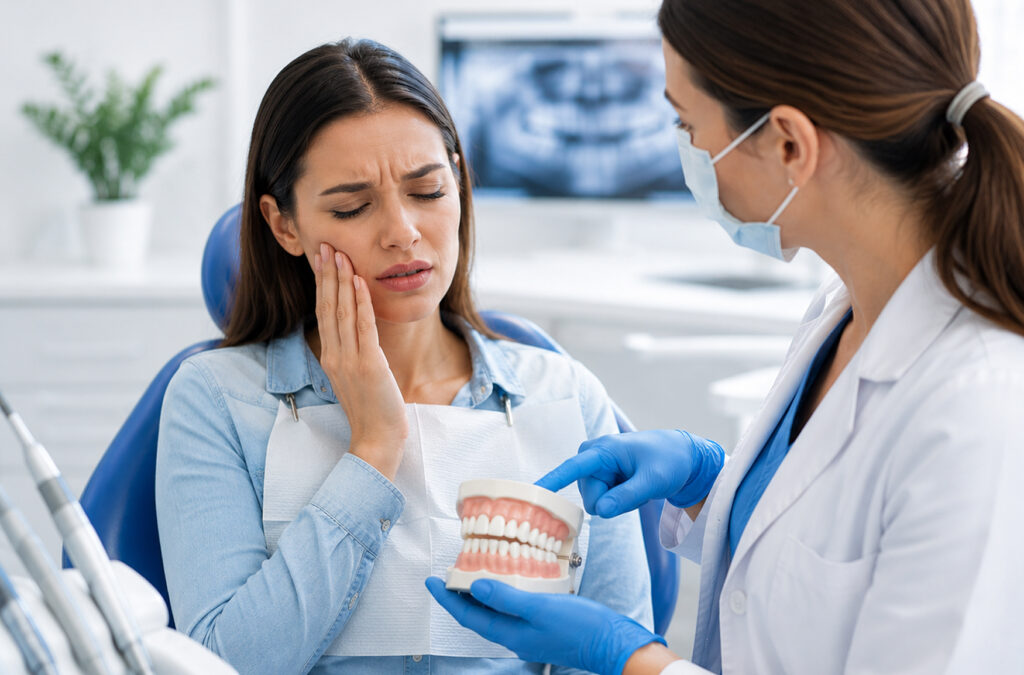
Why Abu Dhabi Patients Choose Professional Whitening
Many patients try over-the-counter strips and kits first, only to find the results uneven and the sensitivity unpredictable. Professional whitening offers a more controlled experience, with the concentration, timing and aftercare matched to your individual needs.
For patients across Abu Dhabi who want a brighter smile with the least possible discomfort, supervised professional whitening and bleaching provides a clear, measurable result alongside guidance on managing any short-term sensitivity. Professional teeth whitening at Lilac Medical Centre starts from AED 2,000, with a personalised plan agreed at your consultation.
Frequently Asked Questions
How long does sensitivity last after teeth whitening?
For most patients, sensitivity peaks in the first 24 to 48 hours and settles within one to three days. Take-home whitening may cause milder sensitivity that comes and goes over the treatment period. If discomfort lasts beyond a few days, speak to your dentist.
Should I stop whitening my teeth if they are sensitive?
Mild sensitivity is normal and is not usually a reason to stop. If you are using take-home trays, you can space out your sessions or shorten wear time to let your teeth recover. If sensitivity is severe or persistent, pause and contact your dentist for advice.
What helps teeth sensitivity after whitening?
A sensitivity toothpaste containing potassium nitrate or fluoride is one of the most effective options. Avoiding very hot and cold foods for a day or two, brushing gently with a soft brush, and using a fluoride rinse can all help while the sensitivity settles.
Does whitening damage tooth enamel?
When carried out under professional supervision, whitening does not damage healthy enamel. The increased permeability that causes temporary sensitivity reverses as the tooth rehydrates and remineralises after treatment. This is one reason professional, assessed whitening is preferable to unsupervised products
Can I prevent sensitivity before whitening?
Often, yes. A full assessment beforehand, treating any existing dental problems first, tailoring the gel strength, and using desensitising agents can all reduce the likelihood of discomfort. Starting a sensitivity toothpaste a few days before treatment also helps.
Ready to Whiten With Confidence?
Sensitivity should never be a reason to avoid a brighter smile. With the right assessment and aftercare, most patients find it mild and short-lived. To discuss whitening that suits your teeth and keeps discomfort to a minimum, book a consultation with our specialist team at Lilac Medical Centre in Abu Dhabi.

